Discover Iglesia Sagrado Corazon de Jesus: A German Architectural Gem in Chile
June 08, 2025

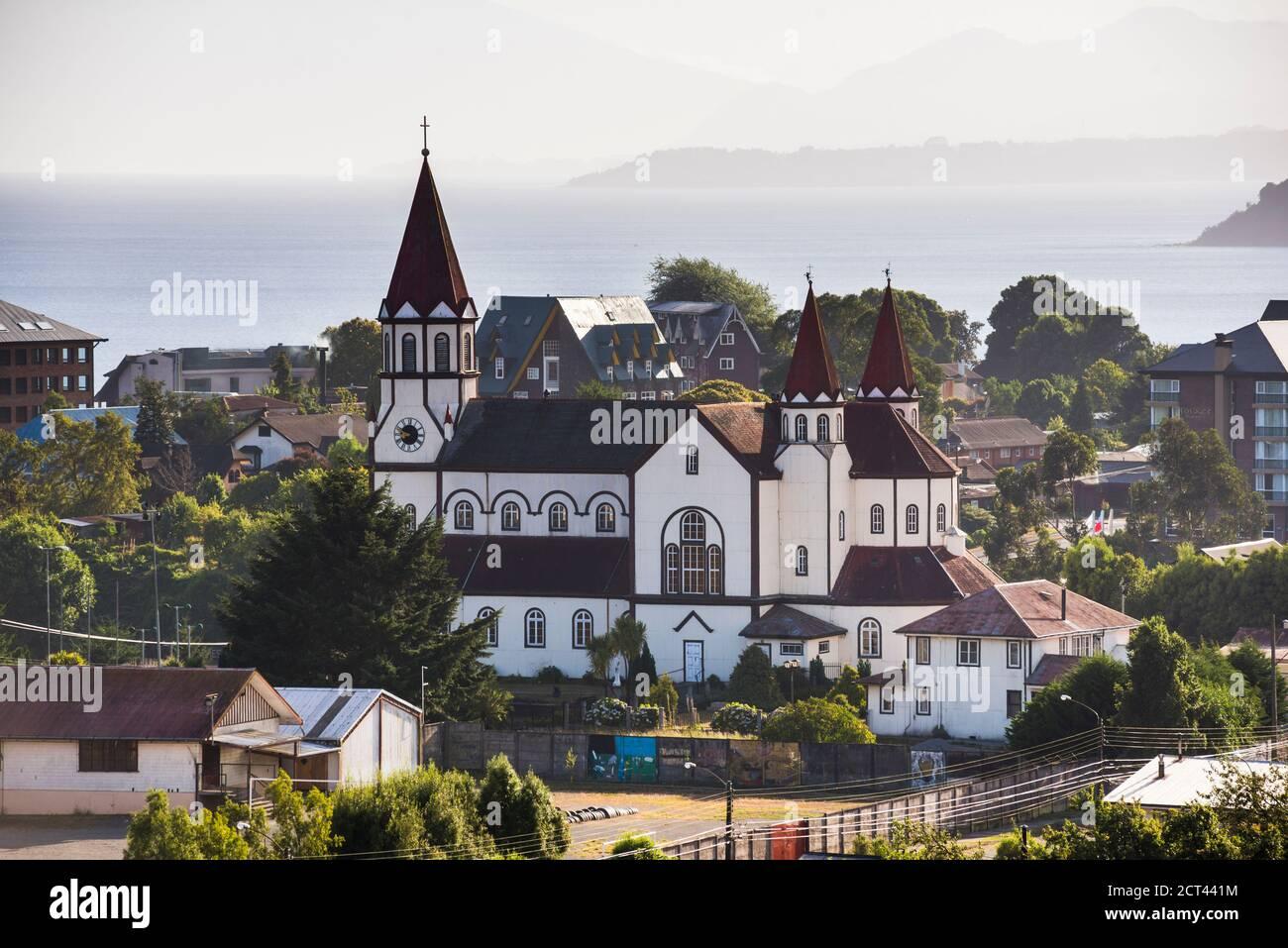
I spent about 45 minutes exploring the Iglesia Sagrado Corazon de Jesus, fascinated by its unique German architectural influence and stunning views of the surrounding volcanoes. The church's wooden construction and proximity to downtown Puerto Varas made it an easy and memorable stop during my trip through southern Chile.
Perched above Puerto Varas, this wooden church tells a secret story of German immigrant dreams transported across continents. Where Black Forest architecture meets Chilean landscape, the Iglesia Sagrado Corazon de Jesus reveals a hidden cultural crossroads waiting to be discovered.
Need-to-Know Info Before Visiting Iglesia Sagrado Corazon de Jesus
5+
images
Iglesia Sagrado Corazon de Jesus Address
Av. Diego Portales 191, Puerto Varas, Chile
Iglesia Sagrado Corazon de Jesus Opening Hours
- 🕒 Monday-Saturday: 9 AM - 12 PM, 3 PM - 6 PM
- 🕒 Sunday: 9 AM - 1 PM
- 🕒 Closed on major holidays
How to get to Iglesia Sagrado Corazon de Jesus
- 🚗 By car: Direct access from Av. Diego Portales
- 🚌 Public transport: Local buses from Puerto Varas city center
- 🚕 Rideshare: Uber and local taxi services available
What is Iglesia Sagrado Corazon de Jesus known for?
- Stunning German Black Forest architectural design from 1915
- National monument recognized for its historical and cultural significance
- Prominent landmark overlooking downtown Puerto Varas
- Iconic wooden construction representing German immigrant heritage
- Precise replica of Marienkirche from Germany's Black Forest region
What is Iglesia Sagrado Corazon de Jesus in Puerto Varas?
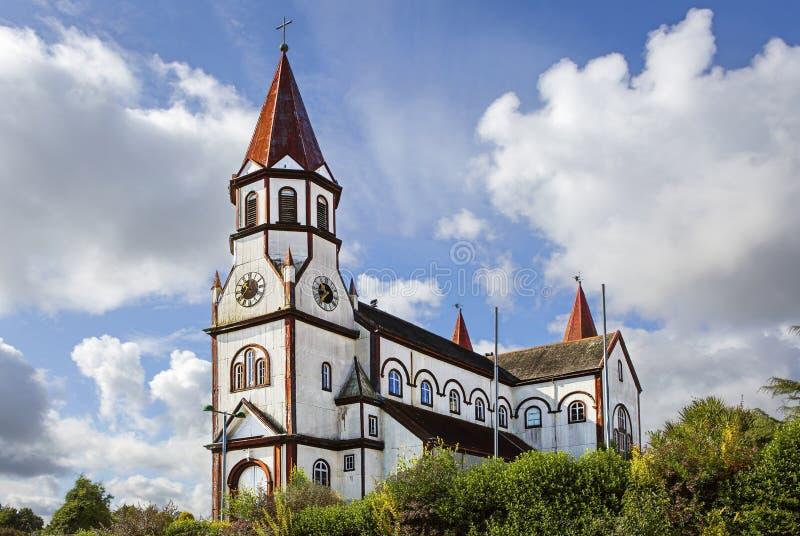
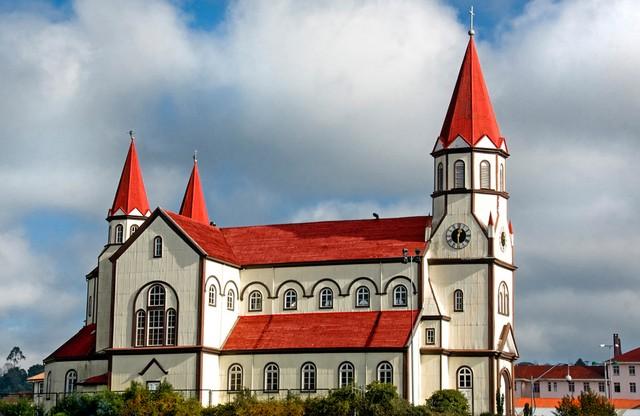
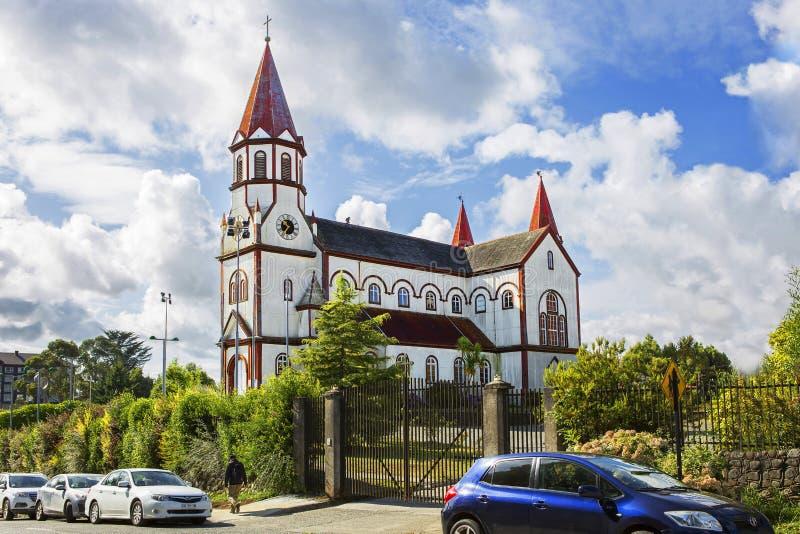
Nestled on a strategic hillside overlooking Puerto Varas, the Iglesia Sagrado Corazon de Jesus stands as a remarkable testament to German architectural influence in southern Chile. Built in 1915, this wooden church attracts photographers and history buffs who want to capture its unique architectural style directly inspired by the Marienkirche of Germany's Black Forest region. Tourists typically spend 30-45 minutes exploring the church, with most visiting during the summer months between December and February when Puerto Varas sees peak tourism. The church's wooden construction and distinctive Germanic design make it a standout landmark, drawing around 5,000 visitors annually who are interested in understanding the region's rich immigrant heritage. Its national monument status ensures the building remains meticulously preserved, allowing travelers to experience a slice of early 20th-century architectural craftsmanship that blends European design with Chilean landscape. Located in the heart of Puerto Varas, the church offers unobstructed views of the surrounding Osorno and Calbuco volcanoes, making it not just a religious site but a strategic viewpoint for understanding the area's geographical beauty.
Top things to do at Iglesia Sagrado Corazon de Jesus
- Admire the intricate wooden architecture modeled after Black Forest German churches, noting the precise craftsmanship of early 20th-century construction techniques
- Photograph the church's exterior with stunning backdrop of Osorno and Calbuco volcanoes, capturing the landmark's unique positioning overlooking Puerto Varas
- Explore the church's interior to see original wooden altar and sacred artworks representing early German immigrant religious traditions
- Learn about local history through architectural details that showcase the cultural fusion of German immigrant design with Chilean architectural styles
- Visit the small adjacent museum area that explains the church's significance as a national monument and its role in Puerto Varas' cultural heritage
- Check out the stained glass windows that filter natural light, creating intricate color patterns inside the historic church structure
Tickets for Iglesia Sagrado Corazon de Jesus
Entry to the Iglesia Sagrado Corazon de Jesus is free for visitors. Donations are welcome and help with church maintenance. No advance booking is required. The church recommends a small voluntary contribution of 2,000-3,000 Chilean pesos (approximately $2-3 USD) for upkeep of this historic national monument.
Dress Code
As an active Catholic church, visitors should dress respectfully. Avoid shorts, sleeveless tops, or revealing clothing. Shoulders and knees should be covered. Quiet, modest attire is recommended out of respect for the religious space and ongoing worship activities.
History of Iglesia Sagrado Corazon de Jesus
- 1915: Original construction completed, designed by German immigrants inspired by Marienkirche architecture
- 1920s: Became a central gathering point for German settler community in Puerto Varas
- 1950: Major restoration work to preserve original wooden structure
- 1980: Officially declared a National Monument of Chile
- 2000: Comprehensive architectural preservation project completed
- 2015: Celebrated 100 years as a landmark of Puerto Varas cultural heritage
Cultural Significance
The Iglesia Sagrado Corazon represents the deep German immigrant influence in southern Chile's Los Lagos region. It symbolizes the cultural fusion between European settlers and Chilean traditions, standing as a living architectural testament to the area's multicultural history. The church reflects the German community's ability to preserve their architectural and religious traditions while integrating into Chilean society.
Tips for Visitors
- Visit during morning hours for best natural lighting and fewer crowds
- Bring a camera to capture the church's unique architectural details
- Allow 30-45 minutes for a complete visit and appreciation of the landmark
- Check local event schedules, as the church sometimes hosts cultural exhibitions
- Wear comfortable walking shoes, as the church is located on a slight incline
- Nearby cafes and restaurants offer excellent views of the church and surrounding landscape
What are some interesting facts about Iglesia Sagrado Corazon de Jesus?
- Local legend says the church's wooden beams were hand-cut and transported by ox cart from nearby forests, taking over six months to complete
- The church's stained glass windows were actually imported directly from Germany, making them one of the few original pieces that survived intact from the original 1915 construction
- During World War I, this church served as a gathering point and support center for German immigrants facing increasing social isolation in Chile, becoming more than just a religious space